Deutsch
 English
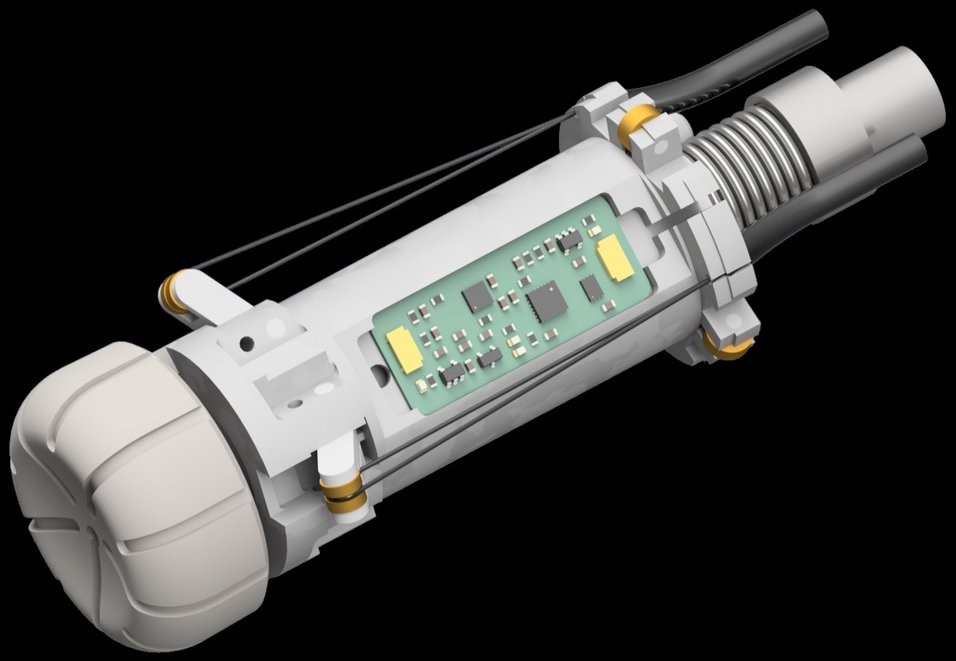
In the mechanics department, everything revolves around the development, design and production of mechanical components for our autonomous drilling rig. A central area is the design of the bottom hole assembly (BHA), the drill string and the top drive, which are essential elements for precise, efficient and automatic 3D direct drilling. Modern CAD software is used to design geometries, analyze loads and carry out simulations in order to optimize the mechanical stability and performance of the components.
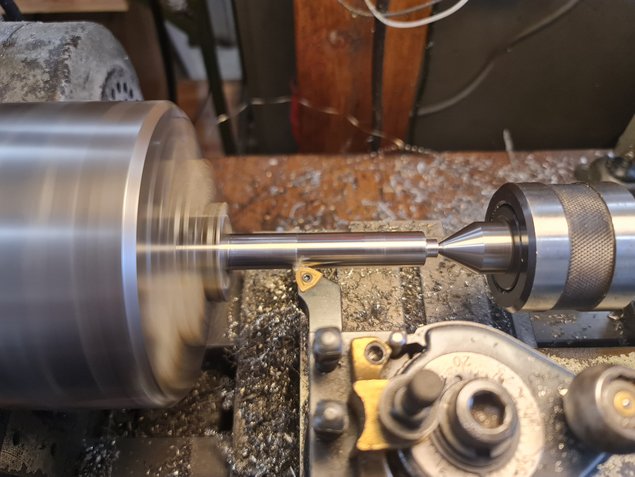
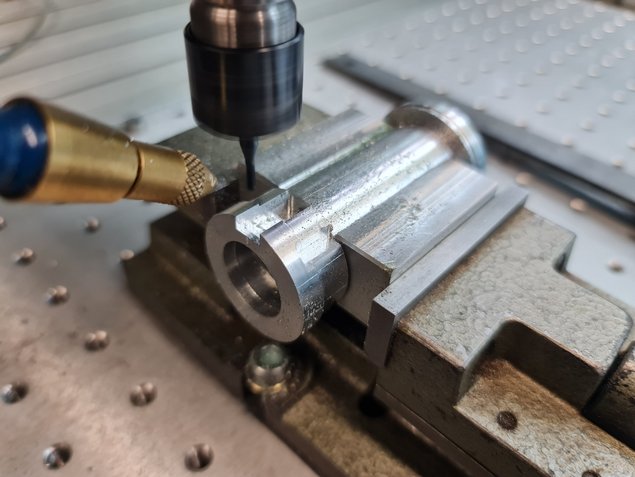
Another important aspect is the manufacture and production of the components for the entire rig. Various modern manufacturing techniques are used here - from turning and milling to laser cutting and additive manufacturing processes such as 3D printing. Choosing the right materials and production methods plays a crucial role in achieving an optimum combination of strength, functional reliability and wear resistance.
In addition to development and production, the focus is on prototyping and testing. New designs are realized as prototypes and then tested under realistic conditions. This involves checking the mechanical resilience, precision and durability of the components in conjunction with the entire system. Through iterative test phases, weak points are identified and optimizations are made to ensure the most reliable and efficient drilling mechanics possible.
Since 2024, we have also been working in cooperation with TU Braunschweig and ERIG-e.V on the development and construction of the Deep Sampling Device (DSD) for their Mars Rover, with which they are participating in the European Rover Challenge (ERC). We are facing particular challenges here: The system must be designed under strict volume, weight and performance budgets in order to meet the requirements of a planetary environment. Reliability plays a particularly important role here, as a failure of the system would have serious consequences. To this end, we contribute our expertise in autonomous drilling technology and develop innovative solutions for precise drilling and sampling in difficult terrain.
The work in the mechanics department combines constructive thinking with practical implementation and requires both a deep understanding of mechanical principles and manual skills in production and assembly. The interplay between theory and practice enables us to develop innovative solutions and continuously improve the performance of our systems.